
Pride, Names, and Ghosts
Needful ThingsThis flow traces Polly’s private history through shame, self-protection, and the eventual recognition that pride can preserve identity but also keep a person trapped.
increasing Bearing strength in each event
 decreasing
Bearing strength in each eventdecreasingLeaving as Polly

Leaving as Polly
A break with home
Pregnant and unwilling to marry, Polly leaves Castle Rock rather than accept her parents’ plan for her. Her departure is an attempt to control her own life.
A new identity
In San Francisco she becomes simply Polly, keeping her past and her child’s story close. Independence protects her, but also deepens the separation between her private self and the people at home.
Loss and Return
Loss and Return
Kelton’s death
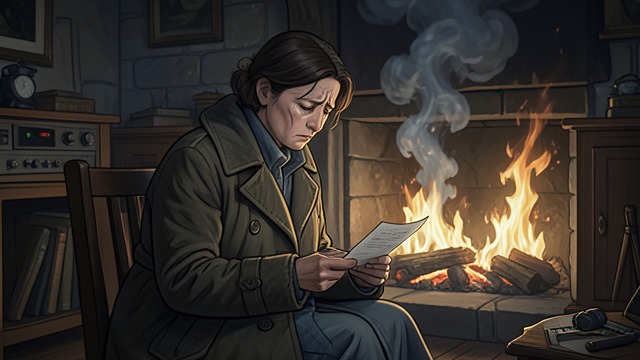
Kelton dies in an apartment fire while Polly is away. She carries the grief privately and eventually reconnects with her parents through letters and later return visits.
Home remains complicated
After caring for her parents, Polly leaves again. She ultimately returns to Castle Rock, but refuses to make her loss public or give the town control of her story.
Aunt Evvie’s Counsel
Aunt Evvie’s Counsel
A different account of grief
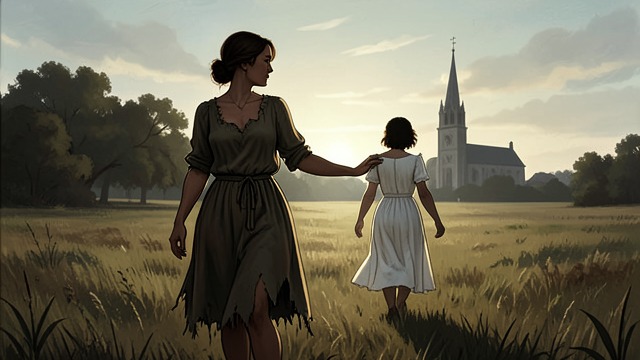
After Polly’s parents die, Aunt Evvie recognizes the secret of Kelton’s death. She tells Polly that the dead are gone and that the living must not become ghosts.
Advice remembered imperfectly
Polly hears that she still has a chance to live her life. Her later secrecy shows how difficult it remains to practice that counsel when shame and pride are involved.
A False Story About the Past
A False Story About the Past
Gaunt finds the secret
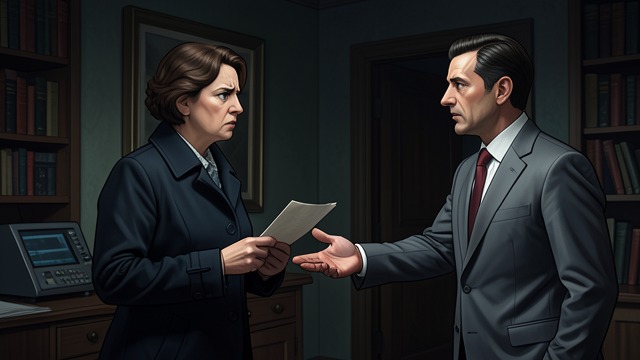
Gaunt knows that Polly’s story about Kelton is incomplete and uses that knowledge to threaten her with exposure. The secret becomes leverage in an attempt to control her choices.
Pride becomes a weapon
A forged letter makes Polly believe Alan has violated her confidence. She reacts before asking him directly, allowing the fear of exposure to become anger at the person she loves.
Choosing to Be Polly
Choosing to Be Polly
The name questioned
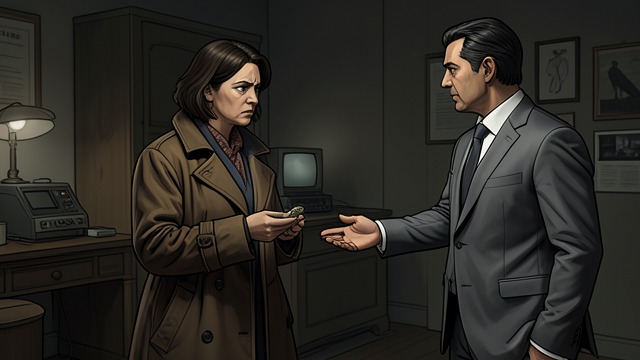
Polly realizes the alleged Child Welfare letter is addressed to Patricia and could not establish the facts Gaunt claims. She sees that it was designed to inflame her pride.
A chance to return
She recognizes that Alan’s inquiry does not equal betrayal and destroys the amulet. Rejecting the bargain begins to free her from both the pain and the identity Gaunt tried to impose.
Summer 1970
1972–1987
March 1976
October 15, 1991
Night of October 15, before the bridge explosion
